

Comprehensive Financial Planning: How to Build a Solid Foundation for Your Financial Future
Introduction
When you’re implementing your financial strategies from scratch, comprehensive financial planning or re-planning on a system already in place is the key that can unlock the true worth of your financial future. It encompasses the virtue of cash discipline saving every month, tying down any loans by using cash flow management; and helping with both financial planning as well as ensuring that you attain all member benefits with various financial products when they’re marinated in long-term relations with an individual bank such (e.g., cross-purchases of funds from the same provider with limited charge loss ). It also goes beyond budgeting, to add in investment planning, debt management, and aligning your financial goals with what you need in the future.
In this blog, we’ll explore the key components of comprehensive financial planning and teach you how to come together a strategy of your own that will give time for success. From planning your retirement to managing debt wisely, this guide gives clear steps with which you can take control of your financial future.
If you ever wonder how to begin constructing a stable financial foundation or to revise your present methods, reading this discussion in personal financial planning is bound certainly to help; It is an important point that the goals and methods of family members should be congruent.
Section 1: What Is Comprehensive Financial Planning?
Comprehensive financial planning is organizing all the parts of your financial life savings, investments, debt and insurance, among others, in a coordinated way. It’s the art of bringing your current needs and long-term goals into alignment with the ever-more-tempting world of well-marketed financial opportunities. The point of financial planning is to make sure you have a system in place that allows you to manage money so it helps contribute to your financial goals down the road like purchasing a home, saving for retirement, or paying off debt. Here’s what an all-encompassing financial plan generally entails:
- Budgeting: Establishing a monthly spending plan that ensures your income covers your expenses while saving for future goals.
- Investment Planning: Allocating funds to investment vehicles like stocks, bonds, and mutual funds to grow your wealth.
- Debt Management: Strategies for paying down debt and managing high-interest debt.
- Retirement Planning: Creating a plan for long-term savings and investment to ensure financial security in your later years.
- Risk Management: Insurance planning to protect against unexpected events, including health, life, and property insurance.
Section 2: The Key Components of a Comprehensive Financial Plan
Now that we understand the basics of comprehensive financial planning, let’s break down the key components that will form the foundation of your personal financial strategy.
1. Setting Financial Goals
Before you can create a plan, you need to have clear and attainable goals. Your goals will inform all your financial decisions, whether that’s saving toward retirement, paying off student loans or building an emergency fund. You can achieves this by formulating your goals in a manner that make them S.M.A.R.T (Specific, Measurable, Achievable, Relevant and Time-bound), ensuring that your goals are actionable and on under control. So instead of saying “I want to save money,” you might set a goal of “I want to save $10,000 for a down payment by December 2026.”
2. Budgeting for Financial Success
At the foundation of comprehensive financial planning is a strong budget. Keeping track of your income and expenses can help you live within your means as well as save for the future. Different budgeting systems, such as the 50/30/20 rule or zero-based budgeting, will help keep you on track.
3. Debt Management and Credit Management
Paying off debt is a crucial part of your financial plan. Whether it’s credit card debt, student loans, or mortgages, having a strategy to manage and eliminate debt is key to achieving financial freedom.
- Debt Avalanche: Pay off high-interest debt first.
- Debt Snowball: Pay off smaller debts first to gain momentum.
Debt reduction allows you to build wealth faster by freeing up cash that would otherwise be spent on interest payments.
4. Investment Planning: Growing Your Wealth
Investing your savings is essential for building wealth. Comprehensive financial planning includes choosing the right investment strategy based on your risk tolerance, time horizon, and financial goals.
- Retirement Accounts: Contributing to 401(k) or IRA plans can help you save for retirement with tax benefits.
- Diversification: Spreading your investments across different asset classes (stocks, bonds, real estate) to manage risk.
- Goal-Oriented Investments: Investing based on your short-term (e.g., buying a house) and long-term (e.g., retirement) goals.
5. Insurance and Risk Management
Planning for the unexpected is another critical part of comprehensive financial planning. Insurance can protect you from financial loss in case of emergencies such as health issues or accidents.
- Life Insurance: Helps provide for your loved ones in case of an untimely death.
- Disability Insurance: Protects your income in case you’re unable to work due to illness or injury.
6. Retirement Planning
A major component of any personal financial strategy is preparing for retirement. This involves setting up retirement accounts (such as 401(k), IRA, or Roth IRA) and regularly contributing to them to ensure a comfortable lifestyle in retirement.
Section 3: How to Build Your Own Comprehensive Financial Plan
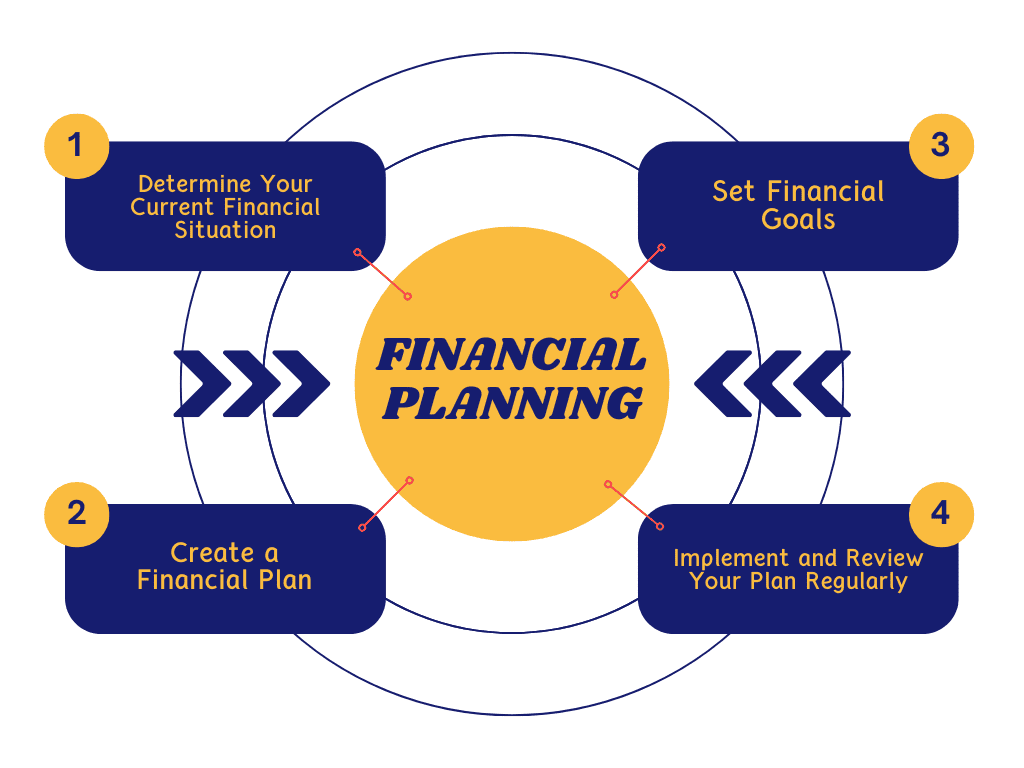
Now that we’ve broken down the key components, here’s a simple step-by-step guide to creating your own comprehensive financial plan:
- Assess Your Current Financial Situation: Gather all financial documents and assess your income, expenses, debts, and savings. This helps you understand where you stand.
- Set Clear Financial Goals: Establish SMART goals and prioritize them.
- Create a Budget: Develop a budget using a method that works for you, whether it’s the 50/30/20 rule or zero-based budgeting.
- Start Paying Off Debt: Focus on high-interest debts first using either the debt avalanche or snowball method.
- Invest for the Future: Open retirement accounts, set up automatic contributions, and diversify your investments.
- Protect Your Future: Make sure you have the necessary insurance coverage, including health, life, and disability.
- Review Your Plan Regularly: Life changes, so should your financial plan. Review it at least once a year and adjust as needed.
Conclusion
Comprehensive Financial planning for bank job aspirants. A holistic strategy, including budgeting, debt management, investment planning and retirement readiness, can form the framework of a personal plan to support your goals. Begin with an honest evaluation of where you are financially right now, and then set specific, achievable financial goals. From there, make a plan for your money, invest for the future and have the right insurance in place. By setting goals and reevaluating them continually, you’ll keep on track on your path toward long-term financial success.
FAQs on Comprehensive Financial Planning
1. What is comprehensive financial planning?
Comprehensive financial planning involves creating a well-rounded strategy that manages all aspects of your finances, including budgeting, saving, investing, and preparing for retirement. It helps you align your financial goals with your income and expenses while planning for future financial security.
2. Why is comprehensive financial planning important?
It’s important because it ensures that all your financial decisions work toward achieving your goals. Whether you want to save for retirement, pay off debt, or buy a house, a comprehensive financial plan helps keep you on track and make informed decisions about your money.
3. How do I create a financial plan?
To create a financial plan, start by assessing your current financial situation, setting clear financial goals, creating a budget, and prioritizing debt repayment. Then, plan for long-term goals like retirement and invest to grow your wealth.
4. What are the key components of a financial plan?
The key components of a comprehensive financial plan include setting financial goals, budgeting, managing debt, investment planning, insurance coverage, and retirement planning.
5. How often should I review my financial plan?
It’s recommended to review your financial plan at least once a year or whenever significant life changes occur (such as a new job, marriage, or birth of a child). Regular reviews ensure your plan stays aligned with your evolving financial goals.
6. What tools can help with financial planning?
There are many personal finance tools available, including budgeting apps like Mint or YNAB, investment platforms like Personal Capital, and retirement planning tools such as Fidelity. These tools can help track your spending, set goals, and monitor your progress.
7. How do I manage my debt in a financial plan?
Debt management involves prioritizing high-interest debt first, creating a repayment strategy (like the debt snowball or debt avalanche method), and using your financial plan to stay disciplined and reduce your debt over time.
8. Can I build a financial plan on my own?
Yes, it is possible to build a financial plan on your own, especially with the help of budgeting tools and online resources. However, if your financial situation is complex, you may benefit from consulting a financial advisor.
9. How do I plan for retirement?
Planning for retirement involves contributing to retirement accounts such as a 401(k) or IRA, estimating your future needs, and creating a strategy to ensure you have enough money to live comfortably after you retire.
10. How can comprehensive financial planning help with wealth building?
By ensuring that every aspect of your finances from spending and saving to investing is optimized, a comprehensive financial plan helps you build wealth systematically over time, preparing you for both short-term needs and long-term security.
Call to Action:
Get started today by downloading our free financial planning worksheet and take control of your financial future!